From Ocean Plastic to Wool-Like Softness: The Science of rPET Rugs
How recycled polyethylene terephthalate is revolutionizing luxury floor coverings without sacrificing softness.
Dr. Alistair Vance
Textile Engineer & Sustainability Lead
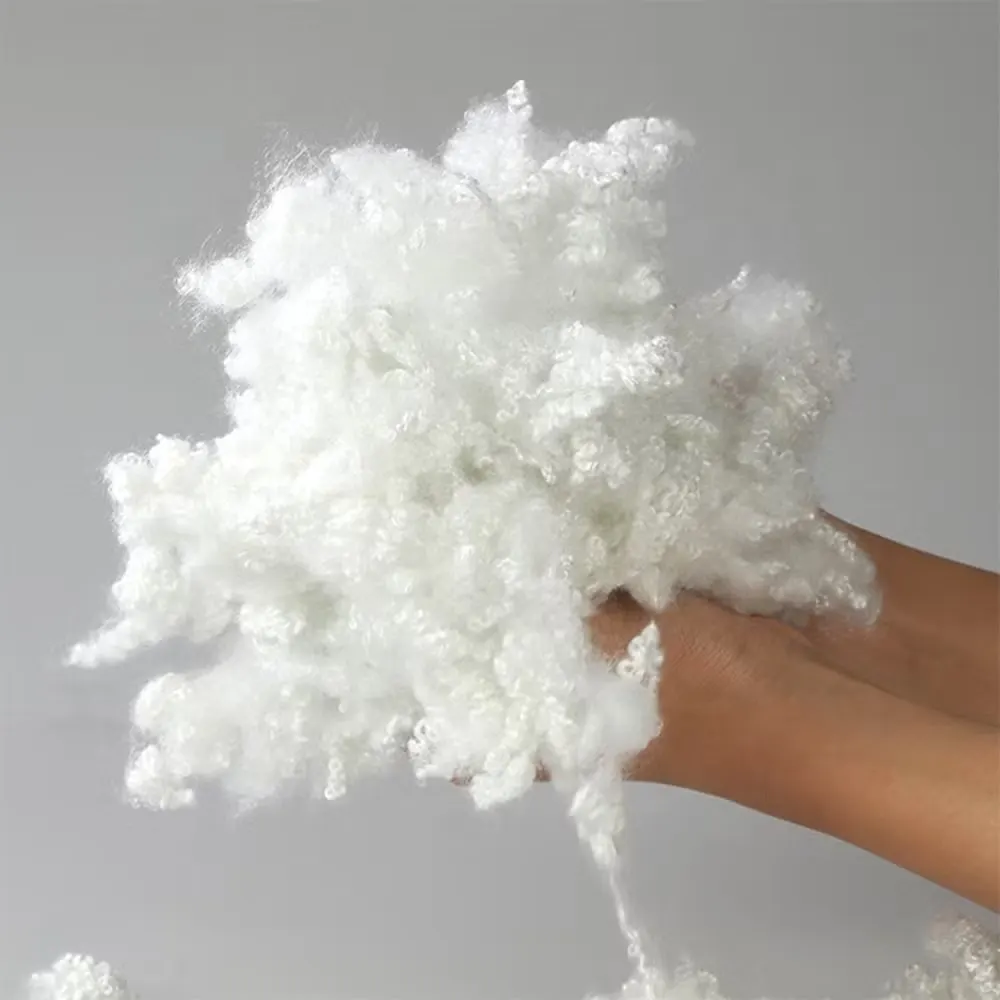
1. The Dilemma of Traditional Wool
For centuries, natural sheep wool has been the gold standard for luxury rugs. However, wool rugs harbor significant drawbacks for modern households: relentless shedding, moisture absorption, vulnerability to moth damage, and difficulty in deep cleaning. Enter rPET technology.
2. The Upcycling Lifecycle
Each RugZora 8' × 10' rug rescues approximately 1,200 post-consumer plastic bottles from landfills and coastal waterways. The bottles undergo a multi-stage cleaning and purification process before being melted into fine polymers and extruded into hollow-core micro-filaments.
- Stage 1: Cleaned & sterilized post-consumer polymer sorting.
- Stage 2: Micro-extrusion into cloud-soft staple fibers.
- Stage 3: Multi-ply core braiding for supreme tensile resilience.
- Stage 4: Precision high-density zigzag machine stitching.
Sustainability should never demand a compromise in comfort. Our rPET yarns mimic the natural crimp and drape of New Zealand wool.
3. Non-Porous Stain & Spill Defense
Unlike organic wool or jute fibers that absorb spilled wine, coffee, and pet accidents deep into their core, rPET fibers are hydrophobic. Liquids pool on the surface instead of penetrating, allowing for instantaneous spot cleaning with a damp microfiber cloth.
Article Topics & Tags
Explore Rugs Inspired by This Guide
Recommended Reading
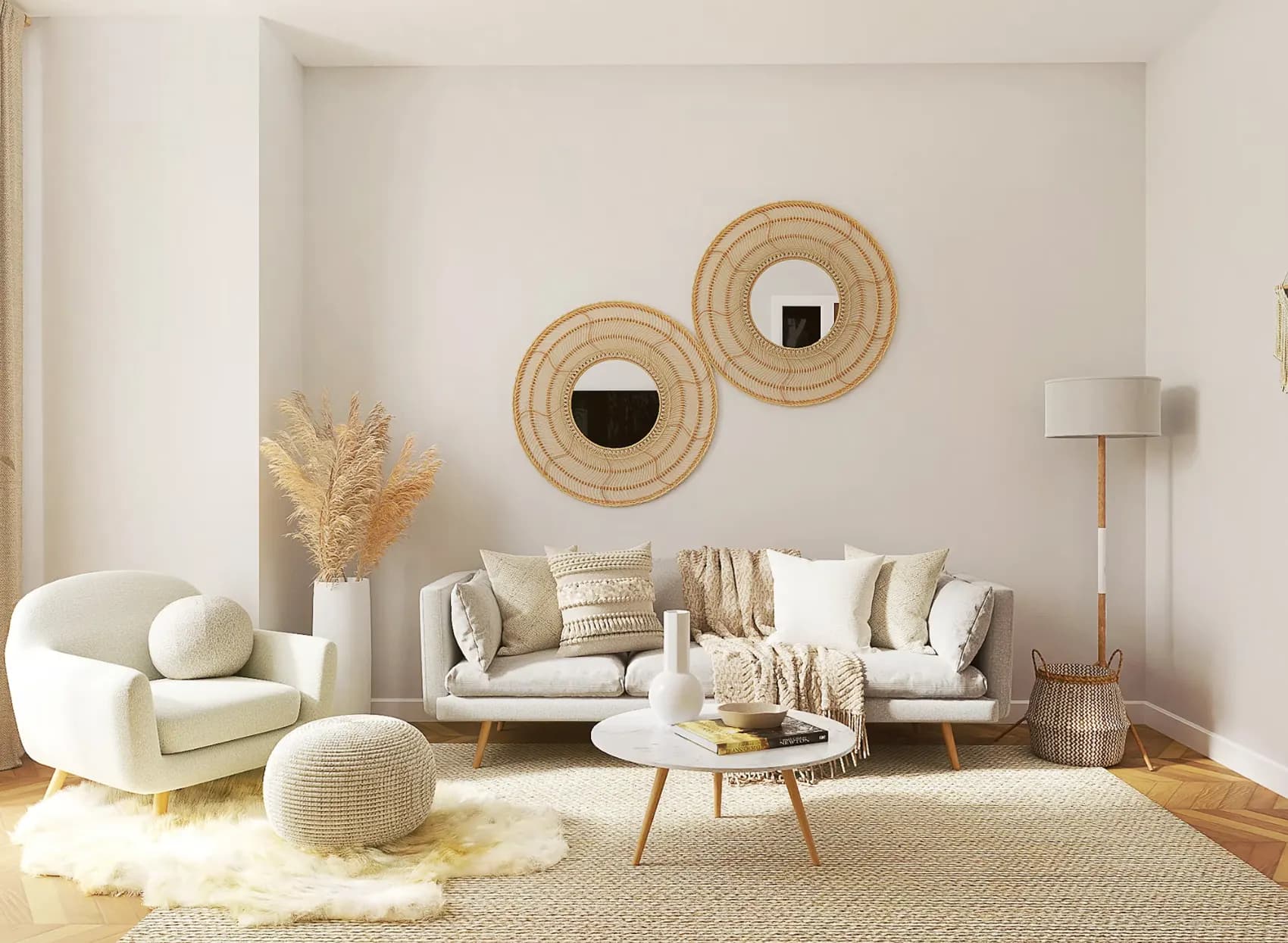
The Art of Japandi: How Natural Textures & Marled Rugs Transform Modern Spaces
Discover the nuanced balance between minimalist discipline and tactile luxury. Learn how earth-toned braided cords, oval silhouettes, and neutral color blocking anchor mindful interiors.
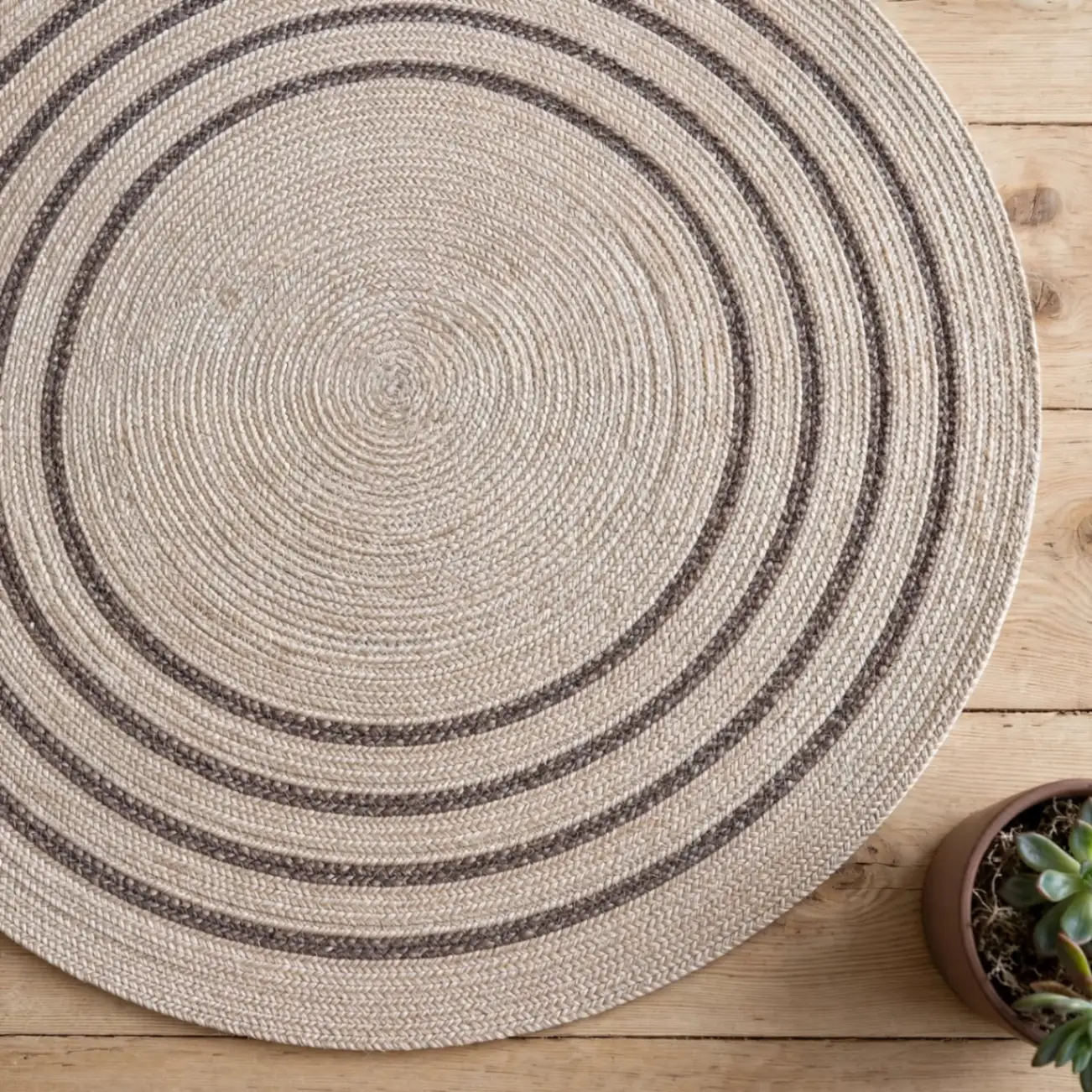
Centuries on the Loom: The Untold Story of Bhadohi’s Master Braiders
A behind-the-scenes journey through Bhadohi, Uttar Pradesh. Discover how generational families of master artisans are infusing ancient braiding techniques with modern Scandinavian design.